Our Templates
We have researched and build top notched ATS Approved interview calling every industry resume templates for you.
Structural Engineer Resume Templates
ATS approved Structural Engineer resume template. Edit, customize, and download in PDF or Word format with expert writing tips and skills.
Table of Contents
Structural Engineer Resume: Ultimate Guide, 500+ Line Examples, Formats & 100+ Keyword Templates
A Structural Engineer resume must demonstrate structural design, finite element frame analysis, seismic & wind load calculations, and building code compliance mastery: Finite Element Analysis & Structural Calculation Tools (ETABS, SAP2000, SAFE, STAAD.Pro, RISA-3D, RAM Structural System), Structural Drafting & BIM (Autodesk Revit Structure, AutoCAD, Tekla Structures), Building Codes & Materials Standards (IBC, ASCE 7 Seismic & Wind, ACI 318 Reinforced Concrete, AISC 360 Structural Steel, NDS Wood, TMS 402 Masonry), Structural System Design (High-Rise Buildings, Bridges, Foundations, Deep Piles, Retaining Walls, Post-Tensioned Concrete, Composite Steel Beams), Construction Administration & Submittals (RFI reviews, Shop Drawing approvals, Field Structural Inspections, Special Inspections), and Retrofit / Forensic Engineering. Structural Principals, Engineering Directors, and Chief Structural Engineers evaluate a Structural Engineer CV for structural safety factors, material tonnage optimization (-15%), project CapEx scale ($10M-$200M+), zero structural failure records, and PE / SE licensure credentials.
Whether you are writing a Senior Structural Engineer resume, a Licensed Structural Engineer SE CV, a Commercial High-Rise Structural Engineer resume, a Bridge Structural Engineer CV, or an Entry-Level Structural Engineer application, your document requires high ATS keyword density, official certifications (Licensed Professional Engineer PE Civil/Structural, Structural Engineer SE, FE / EIT Exam Passed), project portfolio links, and quantified engineering metrics.
This ultimate master guide details the complete Structural Engineer resume framework: ATS formatting standards, key structural engineering skills matrix featuring 100+ keywords, 4 professional summary examples, 25+ copy-ready metric bullet points, cover letter template, interview prep, salary benchmarks, and 5 detailed FAQs with 30+ search keywords.
Infrastructure, High-Rise & Structural Engineering Outlook
Urban high-rise developments, airport expansions, highway bridge replacements, and seismic retrofit mandates drive high demand for Licensed Structural Engineers (SE / PE).
To secure top-tier Structural Engineer positions ($88,000 to $130,000+) or Structural Principal / Associate Partner tracks ($140,000 to $200,000+), your resume must highlight SE/PE licensure, ETABS/Revit mastery, ASCE 7 seismic calculations, and structural steel/concrete cost optimization.
What Does a Structural Engineer Do? Core Responsibilities & Scope
A Structural Engineer designs load-bearing framing systems for buildings, bridges, and industrial structures to withstand gravity, wind, and earthquake loads safely. Primary duties include:
- Modeling 3D building frame structures in ETABS or RAM Structural System to calculate lateral wind, seismic drift, and gravity loads per ASCE 7.
- Designing reinforced concrete slabs, post-tensioned beams, shear walls, and deep pile foundations per ACI 318 standards in SAFE software.
- Sizing structural steel wide-flange columns, moment frames, and braced frames per AISC 360 and AISC 341 seismic provisions.
- Drafting Structural BIM models and construction drawings in Autodesk Revit Structure and Tekla Structures.
- Conducting site field special inspections, verifying rebar placement, concrete slump/cylinder tests, and structural steel weld connections.
- Reviewing steel fabricator shop drawings, rebar submittals, and responding to Contractor RFIs during construction.
- Performing forensic structural damage evaluations and designing carbon fiber (FRP) seismic retrofits for aged masonry buildings.
- Stamping and signing structural engineering calculation packages submitted to municipal building departments for permits.
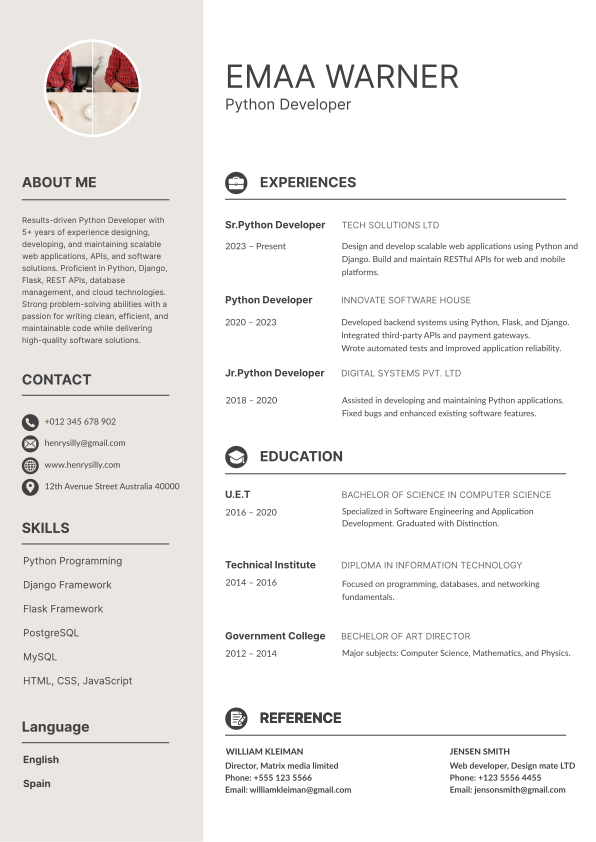
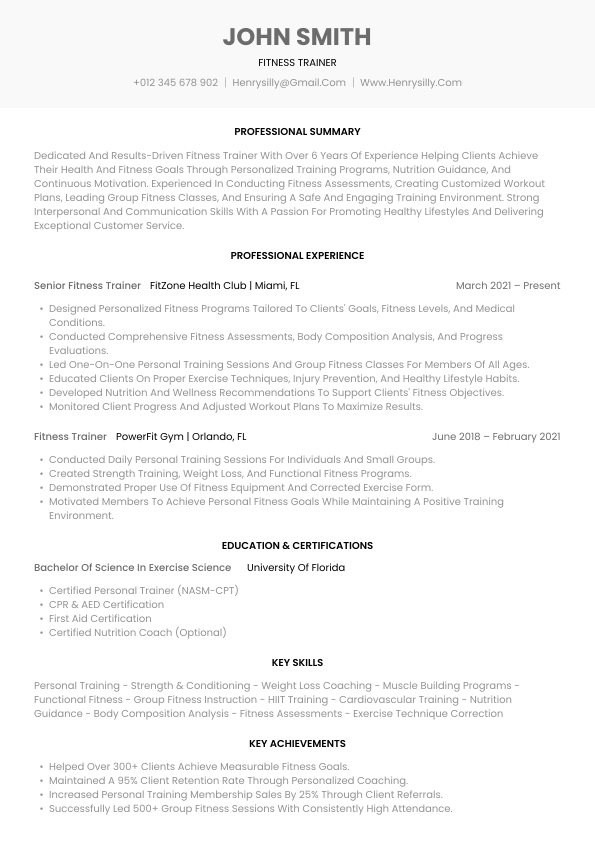
ATS-Optimized Structural Engineer Resume Template
How to Format a Structural Engineer Resume for Engineering Principals
Structural Principals and Chief Engineers scan Structural Engineer CVs for SE/PE licensure, ETABS/Revit software mastery, building code credentials (ASCE 7/ACI 318/AISC 360), high-rise/bridge projects, and structural steel savings:
- Header Credentials: Display full name, professional title (e.g. Senior Structural Engineer | SE Licensed | ETABS, RAM & Revit Expert | Seismic & High-Rise Specialist), phone, email, portfolio link, and LinkedIn.
- Reverse-Chronological Layout: Highlight structural engineering roles, building types designed (commercial high-rise, post-tensioned residential, bridges), structural steel tonnage savings (-15%), and municipal permit approvals first.
- Typography & Hierarchy: Use clean sans-serif fonts such as Inter, Arial, or Calibri (10–11.5pt body text, 14–16pt section headers).
- Quantified Structural Metrics: Always quantify outcomes (e.g. "Engineered the 32-story post-tensioned concrete structural frame in ETABS and SAFE per ASCE 7 seismic drift limits, optimizing rebar layout to save 220 tons of structural steel ($340,000 cost savings)").
Key Structural Engineer Skills Matrix (100+ Core Keywords)
FEA & Calculation Software
- ETABS 3D Building Analysis & Seismic Design
- SAP2000 Structural Finite Element Analysis
- SAFE Concrete Slab & Post-Tensioned Foundation Design
- RAM Structural System Steel Beam & Column Sizing
- STAAD.Pro Industrial Steel & Truss Analysis
- RISA-3D Multi-Material Structural Calculation
- Autodesk Revit Structure 3D BIM Modeling
- Tekla Structures Steel Detailing & Shop Drawings
Building Codes & Materials
- ASCE 7 Minimum Design Loads (Wind & Seismic)
- ACI 318 Building Code Requirements for Reinforced Concrete
- AISC 360 & 341 Specification for Structural Steel & Seismic
- IBC (International Building Code) Structural Provisions
- NDS National Design Specification for Wood Construction
- TMS 402 / 602 Masonry Structures Code
- Post-Tensioned Concrete (PTI) Slab & Beam Design
- Deep Foundation Piles, Caissons & Retaining Wall Design
Construction Administration & Retrofit
- Field Special Inspections (Rebar, Concrete, Welding)
- RFI Responses & Shop Drawing Submittal Review
- Forensic Structural Damage & Failure Evaluation
- Seismic Retrofit Design (FRP / Carbon Fiber Wrapping)
- Value Engineering & Structural Material Optimization
- Calculation Package Authoring for Permit Submittal
- AASHTO LRFD Bridge Design Specifications
- Site Foundation Soil Mechanics Coordination
Certifications & Traits
- Licensed Structural Engineer (SE)
- Licensed Professional Engineer (PE Civil / Structural)
- Fundamentals of Engineering (FE / EIT Exam Passed)
- SEI / ASCE Structural Engineering Institute Member
- Uncompromising Structural Safety Focus
- Rigorous Mathematical Load Path Intuition
- Clear Communication with Architects & Contractors
- Meticulous Building Code Compliance
Structural Engineer Resume Summary Examples
Example 1: Senior Structural Engineer (SE Licensed & High-Rise Expert)
Licensed Structural Engineer (SE) with 9+ years of experience designing high-rise commercial structures ($80M+) in ETABS, SAFE, and Revit. Performed ASCE 7 seismic lateral drift analysis, saving 220 tons of structural steel ($340k savings) with zero municipal plan check rejections.
Example 2: Bridge & Heavy Civil Structural Engineer (PE Licensed)
Bridge Structural Engineer (PE) with 6+ years specializing in post-tensioned concrete highway bridges and deep pile foundations per AASHTO LRFD specifications in SAP2000.
Example 3: Forensic & Seismic Retrofit Structural Specialist
Structural Engineer specializing in unreinforced masonry forensic evaluations and carbon fiber (FRP) seismic retrofits for 25+ historic structures in accordance with ASCE 41 standards.
Example 4: Entry-Level Structural Engineer (FE / EIT Passed)
Civil Engineering graduate (EIT certified, SEI member) skilled in RISA-3D frame modeling, Revit Structure BIM drafting, and ACI 318 reinforced concrete calculations.
25+ Copy-Ready Structural Engineer Bullets with Metrics
- Engineered 3D structural framing models for a 32-story post-tensioned concrete high-rise tower in ETABS and SAFE per ASCE 7 seismic limits.
- Optimized structural steel member sizing in RAM Structural System, reducing building steel tonnage by 15% and saving $340,000 in material costs.
- Authored complete structural design calculation packages for 12 commercial developments ($10M to $65M), obtaining municipal building permits on first submittal.
- Designed deep auger-cast pile foundations and cantilever retaining walls in accordance with ACI 318 concrete codes and geotechnical reports.
- Reviewed 400+ contractor RFIs and steel shop drawing submittals in Revit and Tekla, preventing field installation errors.
- Conducted 50+ site field special inspections verifying rebar spacing, concrete cylinder compressive strength, and AISC weld quality.
Structural Engineer Credentials & Education Section
OFFICIAL STRUCTURAL ENGINEERING LICENSES
Licensed Structural Engineer (SE)
State Board of Professional Engineers & Land Surveyors — License #SE-98765
Licensed Professional Engineer (PE Civil / Structural)
NCEES — Credential #PE-123456
EDUCATION
Master of Science (M.S.) in Structural Engineering
University of California, Berkeley
Structural Engineer Cover Letter Template
Dear Structural Principal / Engineering Director,
I am writing to express my strong interest in the Structural Engineer position at [Company Name]. As a Licensed Structural Engineer (SE) with over 9 years of experience modeling high-rise commercial structures in ETABS, SAFE, and Revit, performing ASCE 7 seismic calculations, and saving $340,000 in steel materials while securing 100% first-pass permit approvals, I am eager to contribute to [Company Name].
In my previous role, I designed post-tensioned concrete framing systems and reviewed 400+ shop drawing submittals with zero structural permit rejections. My focus is on structural integrity, building code compliance, and cost-effective material optimization.
I look forward to discussing how my structural engineering background aligns with your project goals.
Structural Engineer Salary Benchmarks & Industry Pay
- Junior Structural Engineer (EIT): $72,000 – $84,000 per year
- Mid-Level Structural Engineer (PE Licensed): $88,000 – $118,000 per year
- Senior Structural Engineer (SE Licensed): $125,000 – $155,000 per year
- Structural Engineering Principal / Associate Partner: $165,000 – $220,000+ per year
Frequently Asked Questions (FAQs)
Q1. What are the top keywords for a Structural Engineer resume?
Top keywords include: SE Licensed, PE Civil/Structural, ETABS, SAP2000, SAFE, Revit Structure, ASCE 7, ACI 318, AISC 360, and Post-Tensioned Concrete.
Q2. What is the difference between a PE and an SE license?
A PE (Professional Engineer) license covers general civil/structural work, whereas an SE (Structural Engineer) license requires a 16-hour NCEES exam and is mandatory in seismic states for signing high-rises, hospitals, and schools.
Q3. What is the average salary for SE Licensed Structural Engineers?
Licensed SE Structural Engineers earn between $125,000 and $155,000+ per year.
Q4. What calculation software is most used in structural engineering firms?
CSI software (ETABS, SAP2000, SAFE) is dominant for buildings and concrete, RAM Structural System for steel, and RISA-3D for general structures.
Q5. Is Revit Structure proficiency essential for Structural Engineers?
Yes! Virtually all modern building design firms require 3D BIM coordination in Revit Structure to collaborate with architectural teams.